
Mitigating storm damage risks
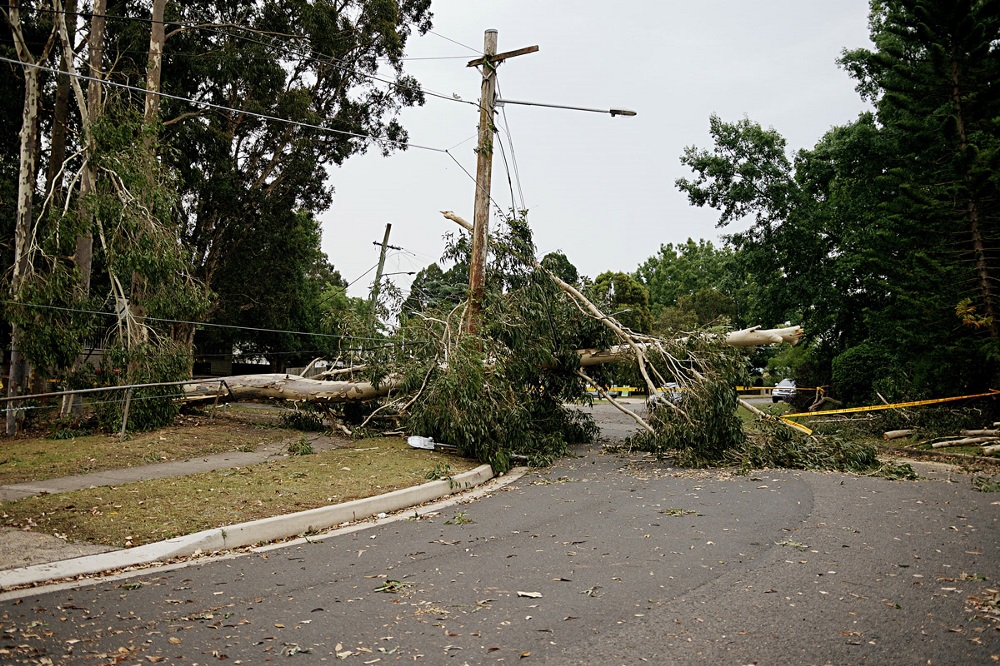
We can’t prevent a storm from occurring, but we can take some simple steps to reduce the impact of a storm. The tips below will assist business owners and their staff be better prepared for a storm and better able to prevent or reduce impacts to the business. They’ll help you get back on your feet and trading again sooner.
- Have a maintenance program in place so your building is in an ideal condition. A building which has been allowed to deteriorate or has been poorly maintained is likely to suffer more serious damage during a storm. For example, a roof which is in poor condition is more likely to let in water during heavy rain and insurance may not cover you.
- If there are issues with your building and you lease the premise, engage with your landlord as soon as possible to discuss a plan and take action.
- Regularly clean gutters, down pipes and drains. A build-up of debris means water can’t flow as intended which can lead to water entering a roof cavity when raining.
- When there are warnings a storm is approaching, bring inside any outdoor furniture, equipment or other items where possible. This not only prevents them from being damaged, such as by falling branches, but also stops them from being blown away.
- If your property is prone to water entering during heavy rains, have a plan for how you will lessen the impact of this, such as moving items off the floor where possible and sandbagging outside the premises. There are sand-free sandbags available which will make this process more manageable.
- Trim trees which could fall on your property. Check with your local council regarding any guidelines or permits which may apply. And be sure you engage experts to do this as cutting down branches is more dangerous and difficult than it may seem.
- Prepare an emergency kit that allows access to important information and equipment or tools. There’ll be occasions where the damage to a building is so great that it can’t be safely entered. Therefore, business owners need to consider what they need to access to both deal with the damage caused (such as insurance details and an asset register) and maintain business operations as much as is possible.
- Have your data and any business information which is stored electronically backed up in a way that can be accessed off site. This is important if the premises can’t be accessed or if information has been lost due to power shortages.
- Ensure your business’ asset register is up to date. A detailed asset register means the process of an insurance claim is much faster and hassle free.
- Ensure your insurance policy is up to date and provides the necessary cover for your building and assets and ensure you have considered business interruption insurance as part of your cover.
- Follow all local advice and warnings both in terms of preparation when a storm is approaching and maintaining safety during the storm.
For further advice and support, please contact Guild Insurance on 1800 810 213, or visit guildinsurance.com.au
Guild Insurance Limited ABN 55 004 538 863, AFS Licence No. 233 791. This article contains information of a general nature only, and is not intended to constitute the provision of legal advice. Guild Insurance supports your Association through the payment of referral fees for certain products or services you take out with them. GLD4363 Tips for the Holiday Season 11/2017