
Lavender Through The Ages
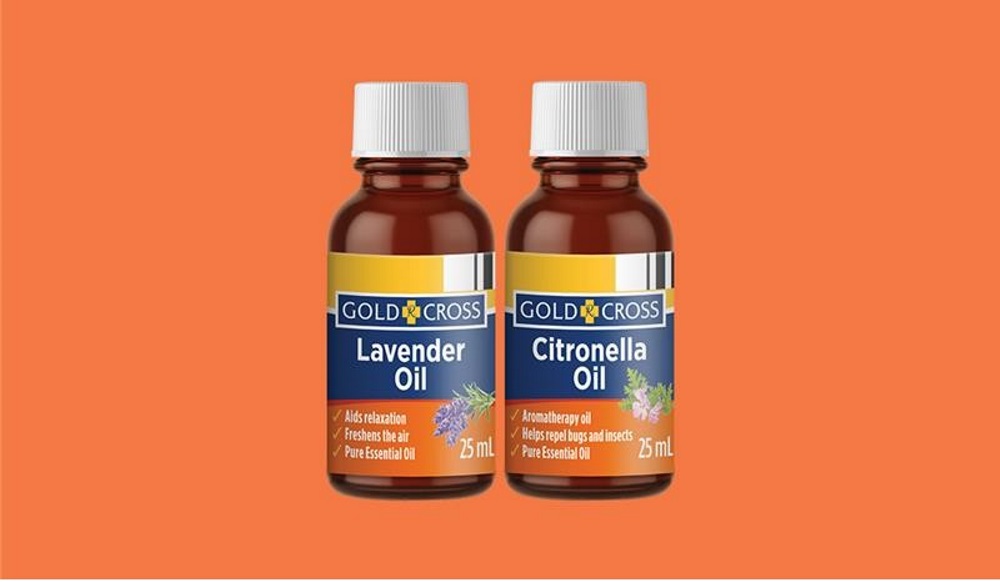
During the Middle Ages, lavender was used to ward off the plague, and it was also used as a natural insect repellent, as a perfume and a flavouring agent in food and drink.
In the 16th and 17th centuries, lavender became popular in Europe for its medicinal properties, it was used to treat a variety of ailments, including headaches, insomnia, and anxiety. Modern research has confirmed many of its traditional uses.
The 16th century herbalist William Turner suggested wearing a quilted cap containing lavender for head colds and to “comfort the braine.”
Victorian women prone to fainting sniffed lavender-scented hankies to revive themselves and placed lavender swooning pillows on the settee, hoping that if they fainted, they would naturally land on the swooning pillows.
Lavender Oil was first distilled in the 19th century and became widely available for use in medicine and perfumery. It was also used during World War I as an antiseptic and to treat wounds.
Health & Wellbeing
Lavender oil is still a popular essential oil that is often used for its calming and relaxing properties. It can be used in several ways to promote mental health and well-being.
- Calming and Relaxing: Lavender oil is well known for its calming and relaxing properties. It can help reduce stress, anxiety, and nervous tension, making it a popular choice for aromatherapy and massage.
- Pain Relief: Lavender oil has analgesic properties that can help relieve pain and inflammation. It is often used topically to relieve headaches, muscle pain, and joint pain.
- Antimicrobial: Lavender oil has antimicrobial properties that can help fight bacteria, fungi, and viruses. It can be used topically to help prevent infections and to promote healing.
- Skin Healing: Lavender oil has anti-inflammatory properties that can help soothe and heal skin irritations and wounds. It is often used in skincare products to help reduce inflammation and promote healing.
- Respiratory Health: Lavender oil has respiratory benefits and can help alleviate respiratory conditions such as asthma, bronchitis, and colds. It can be used in a diffuser or inhaled directly to help open airways and reduce inflammation.
- Sleep Aid: Lavender oil can help promote sleep and alleviate insomnia. It is often used in aromatherapy and as a pillow spray to help induce relaxation and promote restful sleep.
Directions for use
- Inhalation: One of the most common ways to use lavender oil for mental health is through inhalation. You can add a few drops of lavender oil to a diffuser or vaporiser and inhale the scent. Alternatively, you can add a drop or two of lavender oil to a tissue or handkerchief and inhale the scent directly.
- Massage: Lavender oil can be used for massage to help promote relaxation and reduce stress. Mix a few drops of lavender oil with a carrier oil, such as coconut or jojoba oil, and massage the mixture onto your temples, neck, shoulders, or any other areas that feel tense.
- Bath: Adding a few drops of lavender oil to your bathwater can help you relax and unwind after a long day. The warm water and soothing scent can help relieve stress and anxiety.
- Pillow spray: You can make a simple pillow spray by mixing a few drops of lavender oil with water in a spray bottle. Spritz your pillow and bedding before bedtime to help you fall asleep faster and stay asleep longer.
It's important to note that while lavender oil is generally considered safe, some people may experience an allergic reaction or skin irritation. It is important to use it properly and to always do a patch test before using any new essential oil, consult with a healthcare provider if you have any underlying health conditions or concerns.
Lavender oil should not be taken internally without the guidance of a healthcare provider. While lavender oil is generally considered safe for external use, it can be toxic if ingested.
Lavender Growing, Harvesting & Distillation
Lavender is a plant that is native to the Mediterranean region and is now widely grown around the world for its aromatic and medicinal properties. Lavender oil is extracted from the flowers of the lavender plant through a steam distillation process.
Typically grown in warm, dry climates with well-drained soil, such as in the Mediterranean, North Africa, and the Middle East, lavender can also be grown in other regions that have similar growing conditions, such as parts of the United States, Australia and New Zealand. It’s also a relatively drought-tolerant plant that does not require frequent watering.
Lavender plants are typically harvested when the flowers are in full bloom, which is usually in the summer months, with the flowers then carefully harvested by hand and transported to a distillery for processing and essential oil extraction.
The steam distillation process involves placing the lavender flowers in a still and steaming them until the essential oil is released. The steam is then condensed, and the oil separated from the water before being bottled.